EVs Are Coming. Are Our Cities Ready?
Could the EV transition unintentionally create a two-tier charging society?
Read the perspectiveHow borders, origin rules and market access are becoming part of everyday business decisions.
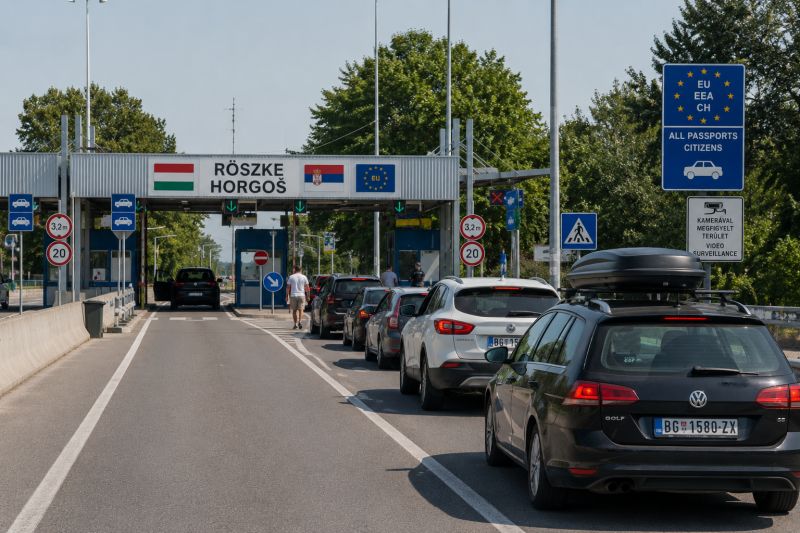
Recently, I spent more than an hour waiting to cross the border between Serbia and Hungary. And that was not particularly exceptional. At busy times, waits at Röszke–Horgoš can stretch to several hours. Sitting there, I was reminded how real borders still are.
Then I read a Financial Times article about Switzerland and Norway. Despite being deeply integrated into European value chains, both are increasingly concerned about new EU trade barriers, subsidies and “Made in Europe” policies. It made me think about what this means for those of us working across borders.
For companies, borders are becoming part of everyday management decisions again. The cheapest supplier may no longer deliver the lowest total cost. Origin, tariffs and carbon footprint can affect market access. Customs can change lead times, inventory and working capital. And even engineering choices or the location of production can have regulatory consequences.
The EU itself is moving further in this direction: its proposed Industrial Accelerator Act includes “Made in EU” and low-carbon requirements in strategic sectors and aims explicitly to increase value creation within the EU.
Globalization isn’t disappearing.
But perhaps we spent decades learning to optimize across borders — and now we also need to learn how to optimize for borders.
For those of you working across countries: are borders already changing the decisions you make in your everyday work?
An independent publication. Views expressed are personal.