EVs Are Coming. Are Our Cities Ready?
Could the EV transition unintentionally create a two-tier charging society?
Read the perspectiveEurope's busiest river reveals how fragile its industrial supply chains really are.
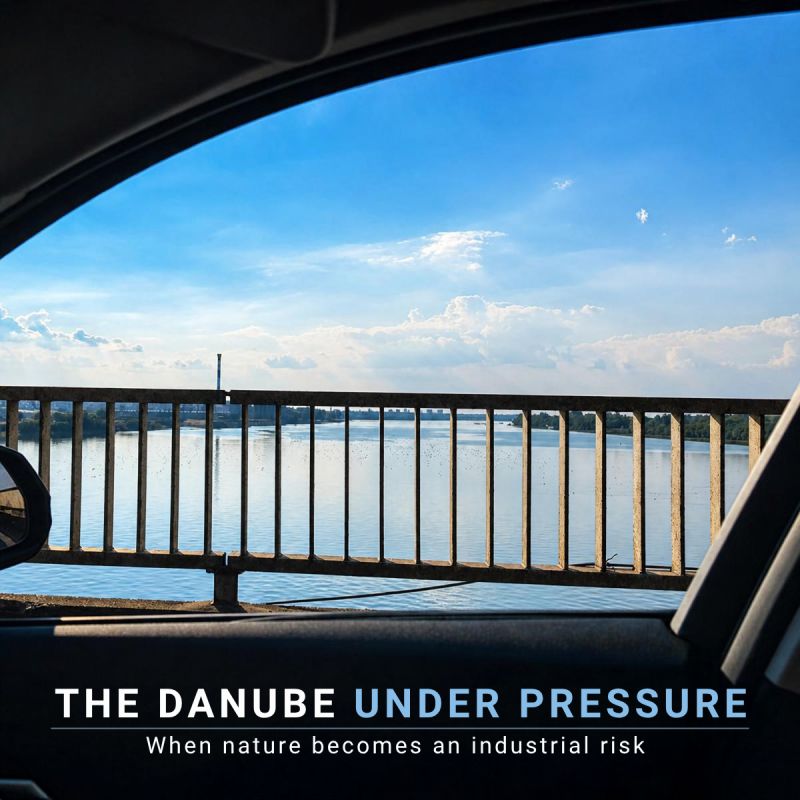
For the last decade, the Danube has never stopped impressing me.
I encounter it while travelling regularly between Belgrade, where I live now, Bratislava, Vienna and southern Germany, or even daily while commuting to my place of work.
At some point, I came to realize how much this river connects—not only countries and cultures, but also economies.
This summer showed how quickly low water levels can become an industrial challenge.
In July, Serbia received just 25% of its targeted fuel imports by river, while cargo vessels were operating at only 30–40% of normal capacity.
And the issue did not simply disappear with summer. In September, Danube experts continue to report exceptionally low-water conditions.
The Danube is part of the infrastructure connecting energy, logistics and manufacturing across Central and Eastern Europe.
The question I wonder about is: how resilient are our industrial systems when the natural infrastructure they depend on becomes less predictable?
Sources: Reuters, Danube Commission.
An independent publication. Views expressed are personal.